
Origins
The origins of Norrøna is a classic story of a Norwegian outdoor enthusiast who simply couldn't find the right gear for the rugged nature of his country. On April 29, 1929, Jørgen Jørgensen founded the company. As a fervent outdoorsman, he was frustrated by the lacking quality of the equipment at that time. He started by making simple but durable products such as: leather belts and backpack straps, backpacks made of sturdy canvas, and cotton clothing that could withstand the Norwegian climate.
Meanwhile, Norrøna has been in the hands of the Jørgensen family for almost 100 years. Throughout the 20th century, the brand introduced several innovations that are now standards in the outdoor world. For instance, in 1972 it introduced the first tunnel-shaped tent for the mountains and in 1977 it was the first in Europe to launch a jacket made of Gore-Tex. Today, the headquarters is located in the Norrøna House near Oslo, where nearly a third of the staff still works in the research and development department. New groundbreaking innovations will undoubtedly follow.
Collection
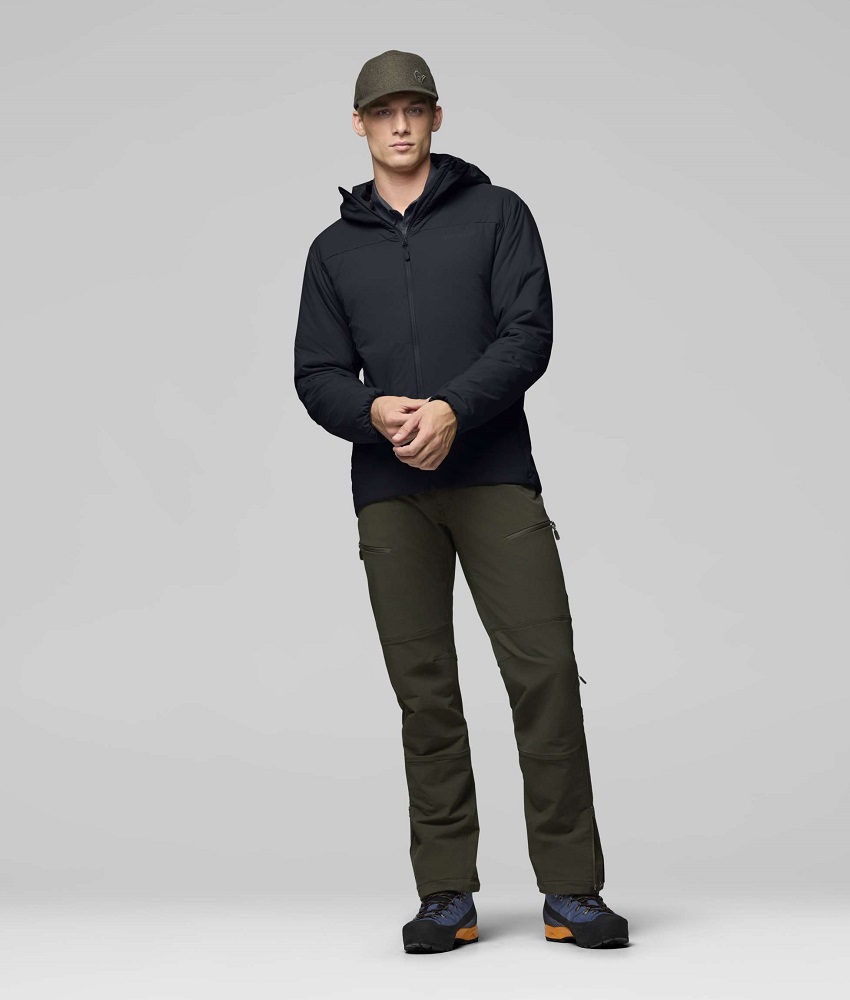
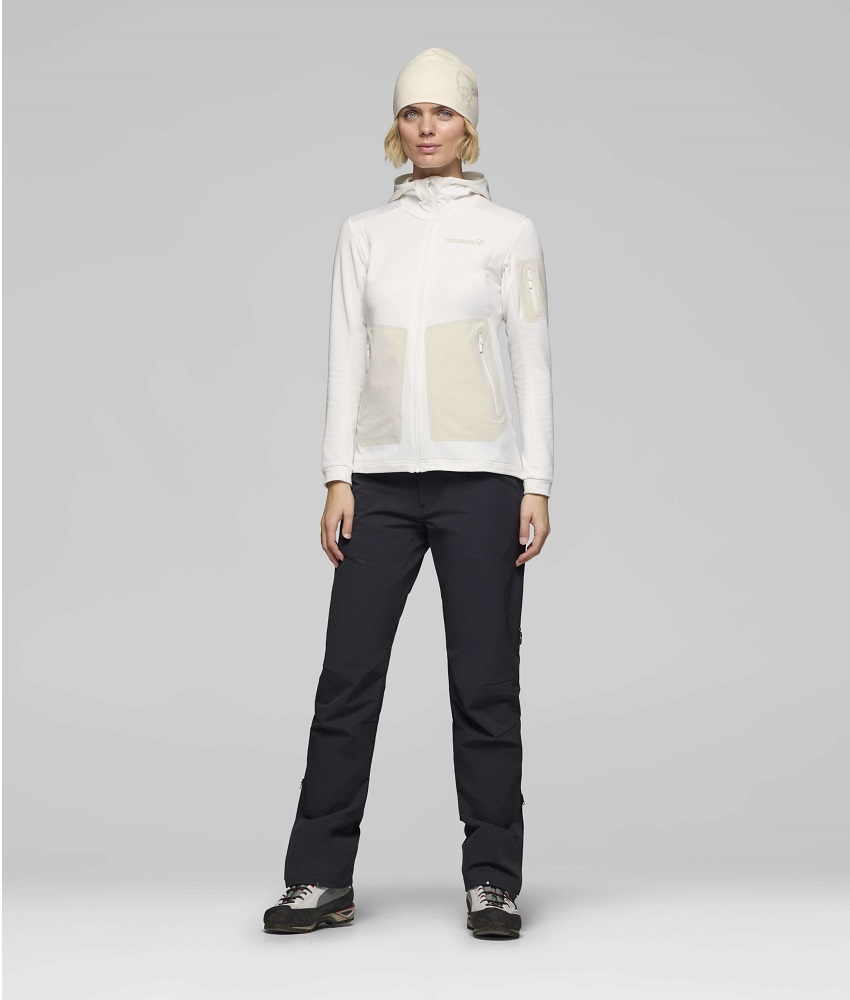
Norrøna produces both clothing and equipment. Their target audience is broad and includes quality-conscious hikers and alpinists who set the highest demands for their clothing and gear. At Twinseasons, you can find the Falketind collection. This is Norrøna's most popular and versatile line. It has been developed for lightweight mountaineering, hiking, and trekking all year round.
Techniques & innovations
Norrøna Flex
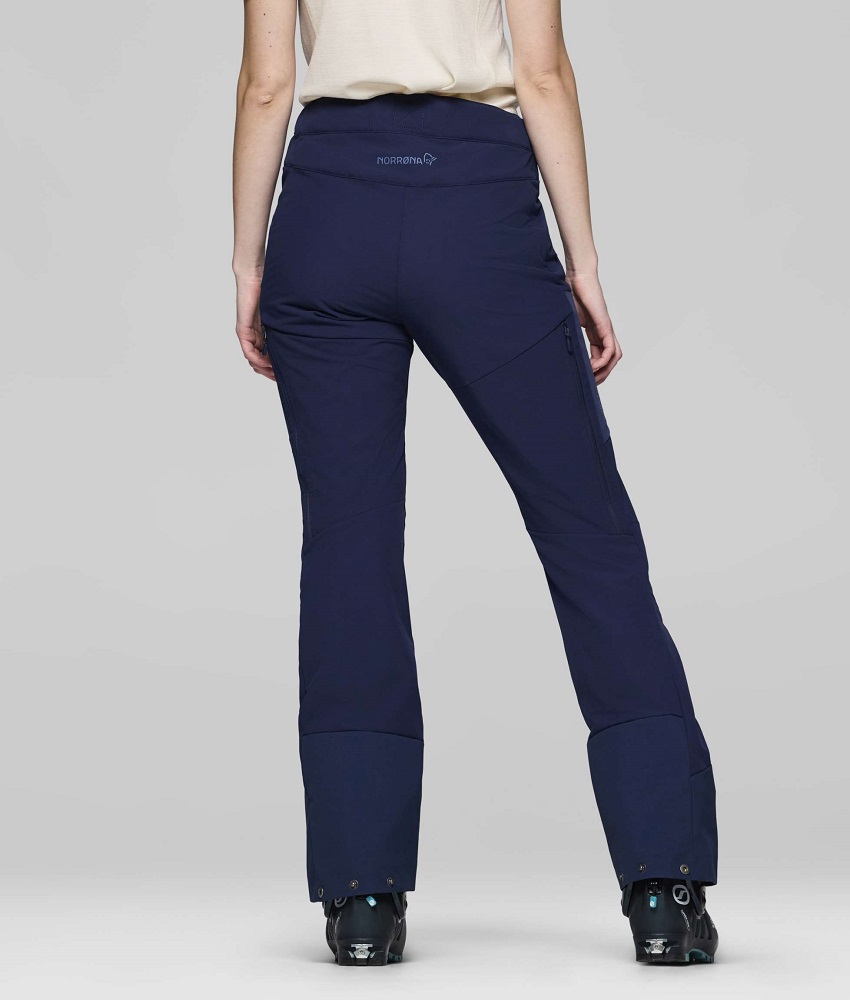
Norrøna's Flex line contains their own collection of softshell materials. Where the dri line focuses on waterproofness, the flex technology revolves entirely around a balance between wind resistance, extremely high breathability, and maximum freedom of movement. Norrøna uses a special "double-weave" construction. This means the fabric is smooth and durable on the outside, while the inside has a looser structure with small loops. This ensures fewer contact points with the skin, which feels more comfortable and helps wick away sweat faster. The most important properties of Flex are:
- 4-way stretch: the fabrics are highly elastic in all directions, which is essential for climbing, hiking, or ski touring.
- Wind and water repellent: it is not a waterproof membrane, but the dense weave blocks most wind and a PFAS-free DWR coating allows light rain to bead off.
- High breathability: because there is no membrane involved, warm air can escape more easily than with a hardshell.
Norrøna has multiple variants within the Flex line. The Flex1 is the most versatile and widely used variant. It is a single-layer softshell that is very light and breathable. The Flex1 Light is an even lighter, thin version that is ideal for summer hikes or trail running. The Flex1 Heavy Duty is the most robust version with higher abrasion resistance, often used for pants that must withstand sharp rocks or intensive alpine use.
Norrøna Dri
The Norrøna Dri membrane is the brand's own high-tech alternative to Gore-Tex. Although Norrøna is known as a key partner of Gore-Tex, they use their dri technology specifically for garments where a different balance between weight, breathability, and flexibility is required. The dri membranes are based on a hydrophilic polyurethane (PU) system. This works differently than the micro-porous ePTFE of traditional Gore-Tex. This type of membrane transports moisture chemically to the outside instead of through physical pores.
Sustainability
Norrøna has a very extensive and transparent sustainability policy, which is laid down in their ambitious 2029 Roadmap. By their 100th anniversary in 2029, they want to play a leading role in the outdoor industry in the field of environmental and social responsibility. To achieve this, they have set the following 10 goals:
- Zero CO2 footprint: Norrøna strives for full climate neutrality across the entire value chain.
- 100% responsible materials: all materials must be recycled, organically grown, or otherwise sustainable and verified by third parties.
- Zero Waste: no product is discarded without value; all residual materials from production are reused or recycled.
- 100% respect for land use and biodiversity. Production practices must not lead to deforestation, soil erosion, or loss of natural resources.
- 100% respect for animal rights. All animal-derived materials (such as down and wool) must comply with the 'five freedoms' of animal welfare.
- 100% transparency, traceability, and accountability. Full openness about where and how each product is made.
- No hazardous chemicals: complete elimination of harmful substances, including making all products PFAS-free.
- 100% responsible working conditions. Guaranteeing safe workplaces and fair standards for all employees in the chain.
- 100% of employees get a voice: promoting participation and fair communication for all workers.
- 1% for Nature: at least 1% of total turnover is donated to initiatives that help restore the planet and local communities.
Norrøna is well on track and has already achieved significant milestones, particularly in the areas of materials and chemicals. For example, the entire Norrøna collection has been completely PFAS-free since 2025. Although some goals, such as full climate neutrality, remain complex, they are making measurable progress which they share transparently via their Roadmap 2029.
Norrøna Store
In the Netherlands, Twinseasons is an official Norrøna dealer with a physical store and an extensive range in the webshop. Shop in our Norrøna store and experience how sustainable and high-quality Norrøna products are.
 |
|  |
|  |
|  |
|  |
|  |
|  |
| 